
The Last 48 Hours: Where Fresh-Produce Supply Chains Succeed or Fail
The final stage of a fresh-produce import can involve customs, VBS, haulage and warehouse delivery. Here's why preparation matters.
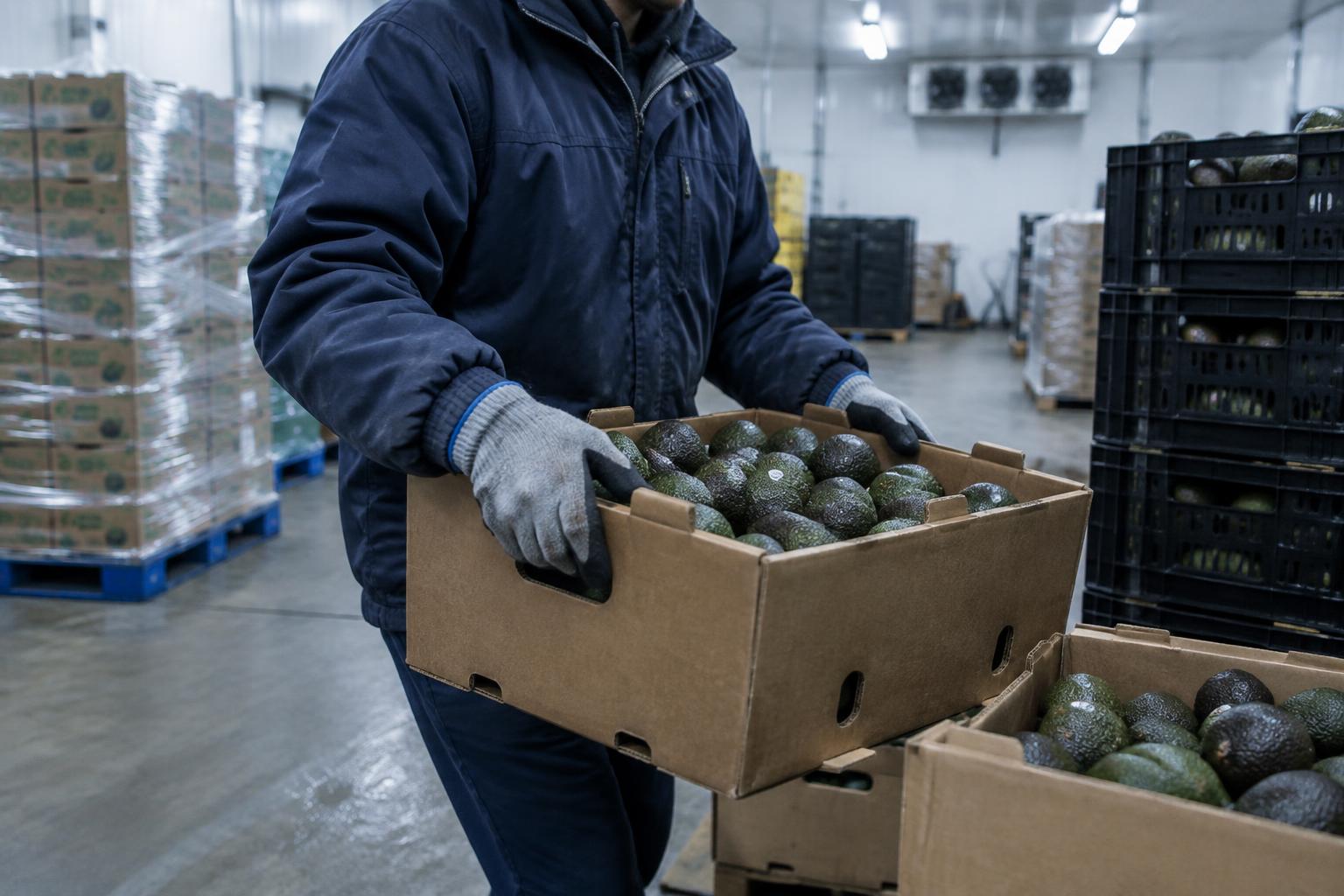
There is a lot of logistics behind a container of fresh produce before it ever reaches a UK port.
By the time the vessel arrives, the important question is no longer simply where is my container?
It's what needs to happen next?
Customs needs to be in order. A haulier needs to be ready. A VBS slot needs to be secured. The warehouse needs to have a delivery slot.
The last part of the journey is often won or lost by how well those things have been prepared beforehand.
The last 48 hours actually start earlier
We don't wait until the vessel is approaching the port to start thinking about collection.
Where possible, we arrange the haulage one to two weeks in advance.
We want the customs paperwork ready, the shipment pre-cleared where possible and the warehouse delivery arranged.
That gives us options if something changes.
If we leave everything until the container arrives, there are fewer options available to us, particularly if the port is busy.
We monitor shipments multiple times a day
Once a shipment is in motion, we actively monitor it.
We're checking the expected arrival, customs status and other milestones that could affect the collection.
The reason is simple: a change is much easier to deal with when you know about it early.
If the vessel is delayed, we can tell the customer and the haulier.
If there is a customs issue, we can contact the relevant authority and work out what needs to happen.
If the collection plan needs to change, we can start working on that before the container becomes a problem.
Congestion changes the equation
One of the practical problems at UK ports is getting the container out when you need it.
If congestion means the preferred VBS slot isn't available, the haulier has to find another one.
That pushes the collection back.
The later collection can then affect the delivery to the warehouse.
And while all of this is happening, the container is still at the port.
That's why free plug-in and demurrage days matter. A delay isn't necessarily just an inconvenience. If it pushes a container beyond its available free time, it can start creating additional costs.
Visibility isn't the same as management
This is something we think is worth separating.
Visibility means being able to see where your shipment is.
That's useful. Nobody wants to have to email their forwarder asking where a container is.
But knowing that a container is still at the port doesn't make it move.
Managing the shipment means doing something about it.
It means arranging the haulier. Securing the VBS slot. Checking customs. Speaking to the relevant people when something isn't right. Adjusting the plan when circumstances change.
And sometimes it means getting on the phone and finding a solution.
The customer doesn't always need more information
Different customers want different levels of communication.
Some want to know every milestone. Others mainly want to know when something needs their attention.
Either way, the underlying requirement is the same: someone needs to be managing the shipment.
Our Digital Freight Platform gives customers visibility of their shipments, invoices and customs documentation.
But the technology doesn't replace the team managing the physical movement.
It supports it.
What happens when the plan changes?
There will always be things outside a forwarder's control.
A vessel can be delayed. A container can be selected for additional checks. A port can become congested.
The test is what happens next.
Do you find out after the fact?
Or is someone already working on the next step?
Fresh produce doesn't need a logistics provider that simply tells you where the container is.
It needs one that understands what needs to happen next.
That's why we think visibility and management are two different things.
The first tells you what's happening.
The second makes sure the shipment keeps moving.