
From Latin America to the UK: What Happens to a Container of Fresh Produce?
What does it take to move fresh produce from Latin America to the UK? We look at freight, origin logistics, customs and delivery.
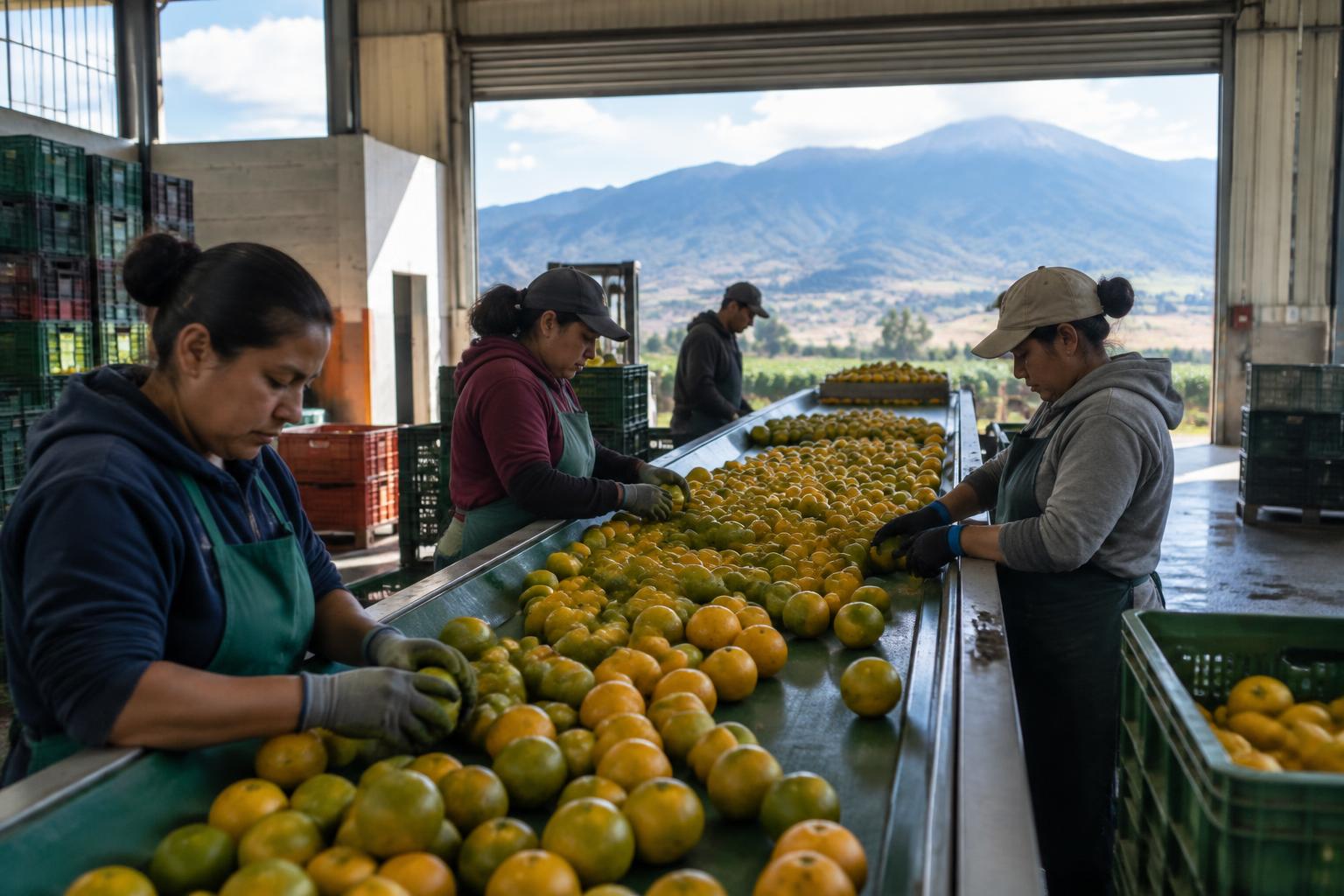
A container of fresh produce travelling from Latin America to the UK is already a long way into its journey before it reaches a UK port.
The produce may have started with a grower in Colombia, Chile, Ecuador, Argentina or Brazil. It then needs to be prepared, documented, loaded, transported to the port and shipped to the UK.
By the time it arrives, there is still work to do.
Customs needs to be completed. The container needs to be released and collected. The refrigerated cargo needs to reach the importer or warehouse.
For us, the important thing is making sure all of those pieces connect.
A lot happens before the vessel sails
Latin American produce shipments are often bought on EXW or FOB terms.
That can mean more work at origin for the logistics provider.
There may be more coordination around the cargo becoming ready, inland transport to the port and the information needed for the international shipment.
The cargo ready date is therefore an important piece of information.
It sounds simple, but without a realistic cargo ready date, it's difficult to build a reliable shipping plan.
You can't always say “let's go”
One thing that can surprise exporters is how long some of the preparation can take.
Shipping lines may require approvals or verifications before a booking can progress. In some cases, that process can take around a week.
So when someone says: “The cargo is ready. Let's ship.” that doesn't necessarily mean the container can be loaded immediately.
There can be work to do before the shipment is ready to move.
Planning around that is particularly important when you're working with fresh produce.
The paperwork matters at both ends
Documentation is one of the areas where problems can arise.
The exporter needs to provide the information required for the shipment and UK import process, and the importer needs to be ready for what happens when the cargo arrives.
Getting the paperwork right isn't particularly glamorous.
It is, however, one of the things that makes the rest of the operation much easier.
Communication and pace matter
One of the differences we've noticed when working with Latin American supply chains is the importance of communication around timing.
The logistics process doesn't necessarily move at the same pace as the commercial conversation.
An importer and exporter may agree that they want to ship next week.
That doesn't mean the shipping line, documentation, equipment and transport can all be arranged next week.
Good planning means understanding what actually needs to happen between “let's ship” and a container physically leaving the origin.
Then the UK operation begins
Once the container reaches the UK, the focus shifts to customs clearance, port release, collection and delivery.
This is where the preparation at origin connects with the work at destination.
If the documentation is in order and the shipment has been planned properly, the UK operation has a much better starting point.
If something is missing, the problem may only become visible when the container is already at the port.
That's not when you want to discover it.
What should a Latin American exporter think about before shipping?
If you're shipping fresh produce to the UK for the first time, we'd want to know:
When will the cargo actually be ready?
What are the agreed Incoterms?
Who is responsible for the origin transport?
Is the shipping line booking and approval process understood?
Is the documentation ready?
Who is handling UK customs?
Who is arranging collection from the UK port?
Where and when does the importer need the cargo delivered?
None of these questions are particularly exotic.
The value is in asking them early enough.
We've spent 20 years focused on perishables.
That experience shapes how we approach shipments from Latin America. We don't just want to know the origin and destination. We want to understand what needs to happen between the two.
Because fresh-produce logistics is rarely about one big problem.
It's about getting lots of smaller things right, and making sure they happen in the right order.