
Why Getting a Reefer to the UK Is Only Half the Job
Getting a refrigerated container to a UK port is only part of the job. Here's what happens next, from customs clearance to delivery.
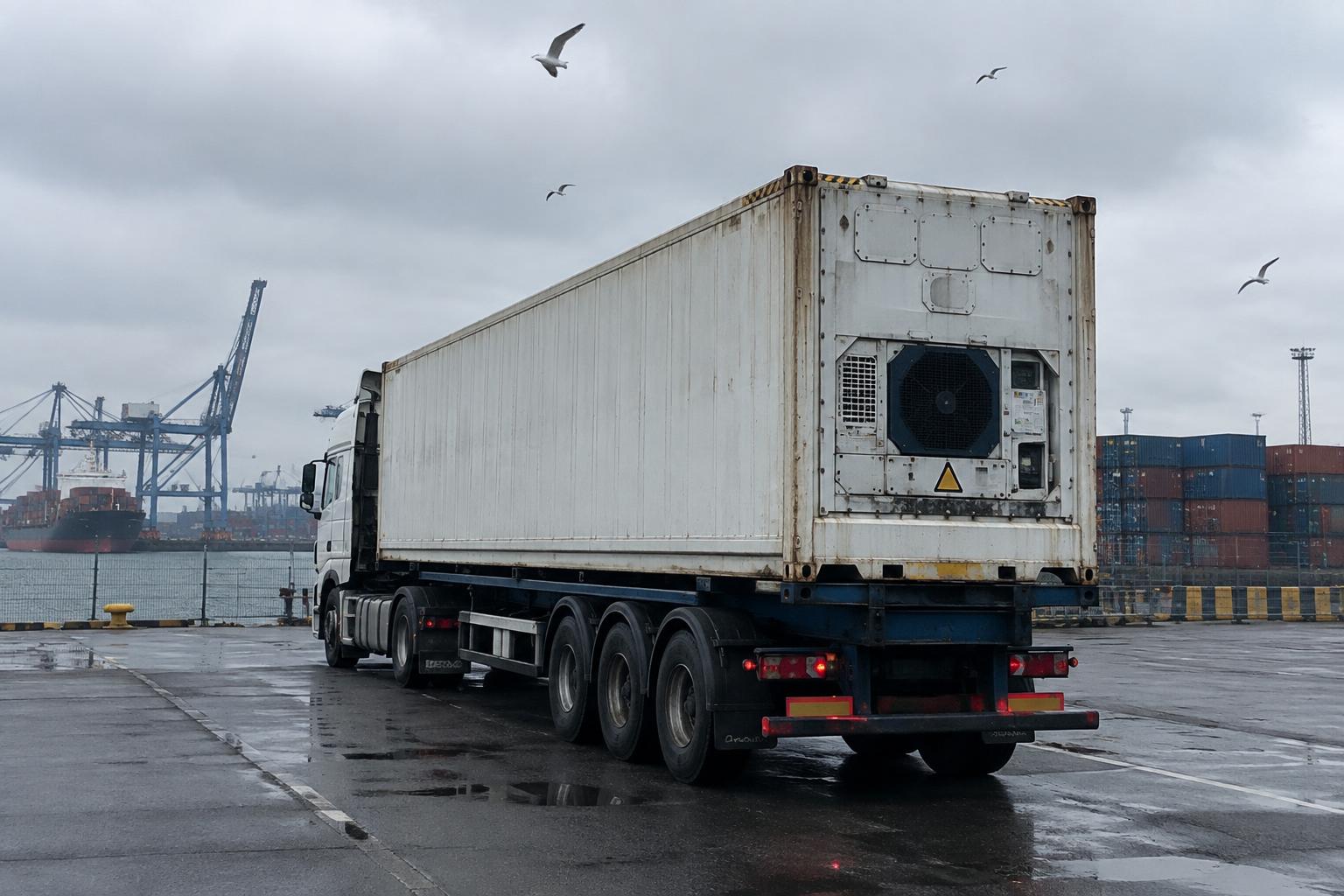
A refrigerated container arriving at a UK port might look like the end of the journey.
For a fresh-produce importer, it's really the point where the next part of the operation needs to work.
The container needs to be customs cleared, released, collected and delivered. A haulier needs to be lined up. A VBS slot needs to be available. The warehouse needs to be ready to receive it.
And ideally, none of this is being worked out after the vessel arrives.
The work starts before the container gets there
For imports, we like to have the collection planned well in advance.
That means getting the customs paperwork in order, making sure the shipment is progressing as expected, lining up the right haulier and arranging the warehouse delivery slot.
We generally want to give hauliers one to two weeks' notice where possible. That gives us a better chance of securing the right vehicle and collection plan rather than trying to find capacity at the last minute.
It also means we're not waiting until the container is sitting at the port before deciding what happens next.
Customs needs to be part of the plan
Customs clearance and delivery are closely connected.
If the customs process isn't complete, the container may not be ready for collection when the haulier is expecting it.
That's one reason we prefer to manage customs and delivery together.
When two different agents are responsible, the delivery provider can end up waiting for someone else to complete the customs work. There are more emails, more things for the importer to keep track of and, importantly, less control over the timing.
If the container is approaching the end of its free time at the port, that matters.
The VBS slot can become the next constraint
Once the container is ready to move, the haulier needs to secure a VBS slot to collect it.
Port congestion can make this more difficult. If the preferred slot isn't available, the collection may need to move to another time.
That sounds like a relatively small operational issue.
But every change can have a knock-on effect: the collection moves, the delivery moves, the warehouse needs to be updated and the container spends longer at the port.
This is why early planning matters.
We monitor the shipment rather than waiting for updates
We actively check shipments multiple times a day.
We're looking at the vessel arrival, customs status and anything else that could affect the collection and delivery plan.
If something changes, we want to know about it early enough to do something about it.
Sometimes that means speaking to the haulier. Sometimes it means contacting Port Health or HMRC. Sometimes it simply means telling the customer that the vessel has moved and adjusting the plan.
The point is to keep the container moving.
And sometimes things still go wrong
A shipment can be selected for additional checks or a physical inspection. A vessel can be delayed. Port congestion can affect collection.
You can't eliminate every variable in international logistics.
What you can do is make sure someone is paying attention when something changes, and is prepared to act.
That's a very different proposition from simply booking a container and waiting for the next milestone.
What should an importer ask?
If you're choosing a forwarder for refrigerated imports, we'd ask:
Who is handling my customs clearance?
Is the collection being planned before the container arrives?
How will you monitor the shipment?
How will you manage VBS and delivery?
What happens if the container is delayed or selected for inspection?
How will you help me avoid unnecessary port costs?
The freight rate is important.
But it isn't the whole logistics plan.
Canopi was built by a team with 20 years of experience focused on perishables.
We've learned that the job isn't simply to move a refrigerated container from one place to another. It's to understand what needs to happen next and make sure those things happen in the right order.
Getting the reefer to the UK is only half the job.